Whether you’re an adventurer, history buff, researcher, or pilgrim, travel to Iraq has long fascinated people around the world. With ancient cities like Babylon, Ur, and Mosul, rich archaeological heritage, and deeply rooted cultural experiences, Iraq holds unforgettable travel potential. However, the realities of safety, security, and entry requirements make planning a trip to Iraq unlike most other destinations.
This complete Iraq travel advisory guide will help answer the most important questions, including:
- Is it safe to travel to Iraq?
- Can Americans travel to Iraq?
- Can Filipinos travel to Iraq?
- Can Indians travel to Iraq?
- Can you travel to Iraq from the UK?
- What are the requirements for traveling to Iraq?
- And much more.
Let’s dive deep into everything you should know before considering your trip.
1. Current Iraq Travel Advisory Status
What’s the Official Travel Warning?
Most governments currently issue some form of travel warning regarding visits to Iraq. For example:
- The U.S. Department of State categorizes Iraq at Level 4: Do Not Travel due to risks from terrorism, kidnapping, armed conflict, civil unrest, and limited ability to assist U.S. citizens in the country. Americans are advised not to travel to Iraq for any reason.
- The UK Foreign Office (FCDO) likewise advises against all travel to certain provinces and “all but essential travel” to many others, including parts of Baghdad and the Kurdistan region.
These advisories reflect widespread security concerns, but they also differ slightly by region. In other words, travel to Baghdad, Iraq carries different risks than travel to northern cities like Erbil.
What Does “Iraq Travel Warning” Really Mean?
An Iraq travel warning signals elevated risk — not necessarily a ban — but governments discourage all travel to certain parts and strongly recommend against non-essential travel overall. If you choose to proceed with a trip despite warnings, your travel insurance could be invalidated if it doesn’t cover travel against advisory guidance.
2. Safety: “Is Iraq Dangerous to Travel To?”
Short answer: yes — it can be dangerous, and you should thoroughly assess the risks before planning your itinerary.
Security Risks
The most significant dangers include:
- Terrorism and militant attacks — groups like ISIS and other extremist organizations still operate in parts of Iraq. Violence can occur with little warning.
- Kidnapping — foreign nationals can be targets for ideological or financial motives.
- Civil unrest and protests — frequent demonstrations may disrupt travel or become violent.
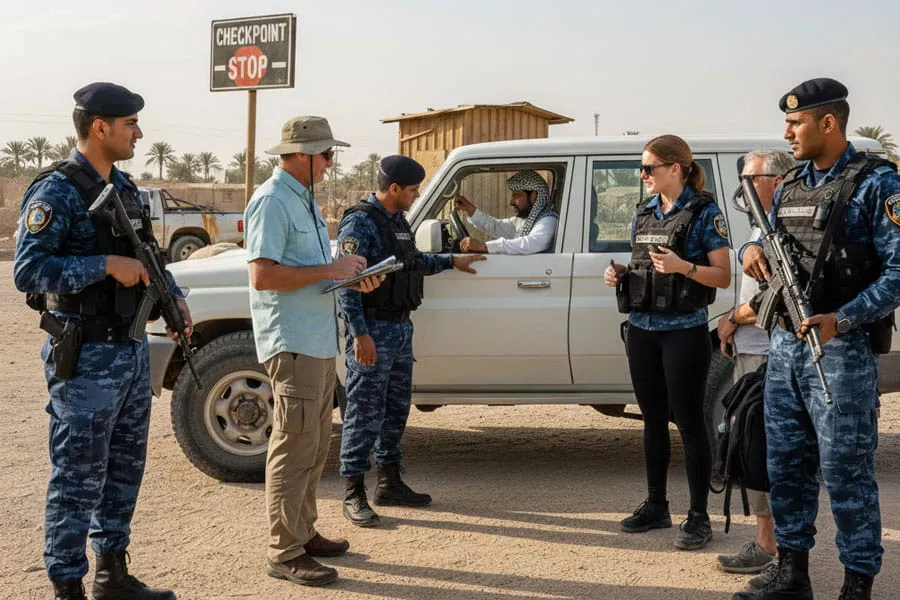
- Unpredictable road and air travel conditions — checkpoints, attacks on vehicles, and sudden airport disruptions are not uncommon.
Regional Differences
Risk levels vary widely:
- Baghdad — the capital remains volatile with higher risk of explosions, kidnappings, and unrest.
- Kurdistan (Erbil & Sulaymaniyah) — comparatively more stable, with typical tourists reporting safer experiences, but military actions near borders still pose danger.
- Remote provinces — areas like Nineveh, Kirkuk, and Diyala are particularly volatile and often excluded by government advisories.
Even locals advise foreigners to remain cautious, especially in public places and large crowds, where threats may be heightened.
3. Who Can Travel to Iraq?
Can Americans Travel to Iraq?
Officially, yes — Americans can travel to Iraq provided they get the necessary visa and meet entry requirements but they are strongly warned not to do so by the U.S. government due to ongoing threats. The advisory is Level 4 (“Do Not Travel”), which indicates extreme caution and a recommendation against travel of any kind.
Can Filipino Travel to Iraq?
Filipino authorities have urged nationals to avoid unnecessary travel to Iraq due to the prevailing security situation. Filipino nationals already in Iraq are advised to remain vigilant and stay away from crowded areas.
Can Indians Travel to Iraq?
Indian citizens can travel to Iraq, but their government strongly advises against travel to certain high-risk provinces like Nineveh (Mosul), Diyala (Baqubah), Salahuddin (Tikrit), Kirkuk, and Anbar (Ramadi) due to terrorist activity.
Can You Travel to Iraq From the UK?
Yes — British citizens can technically travel to Iraq, but the UK government issues extensive travel warnings and strongly discourages travel to many parts of the country.
Can You Travel to Iraq as a Tourist?
There’s no outright travel ban for tourists, and tourists can visit Iraq, but you should plan with caution. Because the security situation is unpredictable, most travelers who go as tourists do so with private security or part of organized groups. Independent travel increases exposure to dangerous uncertainties.
4. Requirements for Traveling to Iraq
Passport & Visa
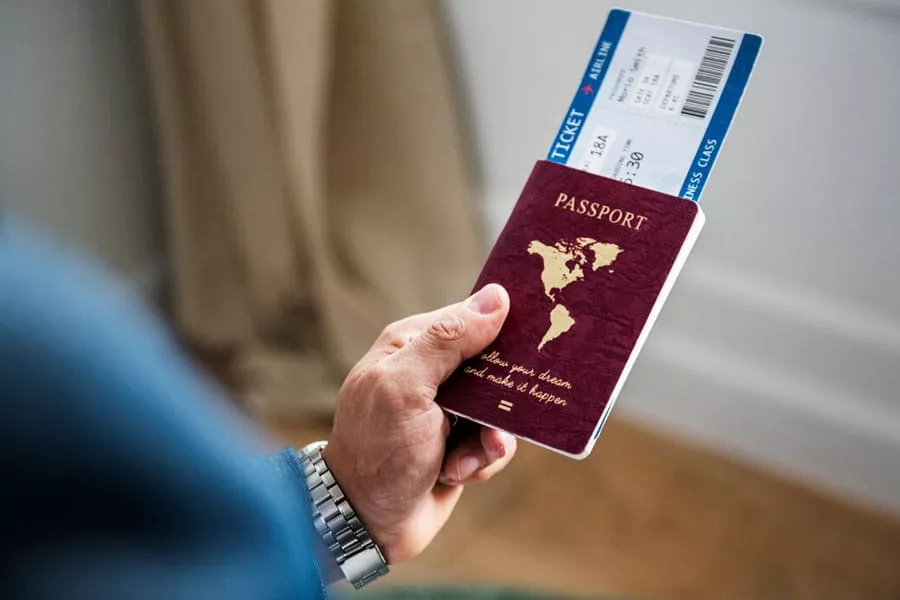
- You typically need a passport valid for at least six months beyond your intended stay.
- Tourist visas or business visas are required for most foreign nationals and should be obtained beforehand through an Iraqi embassy or consulate.
Visa procedures vary by nationality and may require documentation such as proof of accommodation, return tickets, and a clear travel plan.
Health & Safety Documentation
Due to COVID-19 and other health concerns, proof of vaccinations or negative test results may be required based on current Iraqi policies (always verify closer to your departure date).
Insurance & Emergency Planning
Travelers should purchase comprehensive travel insurance covering:
- Medical evacuation
- Political unrest
- Kidnapping or terrorist-related incidents
Insurance firms may exclude coverage if you travel despite formal government advisories, so consult your provider carefully.
Security Preparations
Because Iraq’s security situation is fluid:
- Consider hiring a reputable security consultant or service.
- Register your trip with your embassy’s travel registry (e.g., STEP for U.S. citizens).
- Keep family back home informed about your itinerary and check-in regularly.
5. What to Expect on Arrival
Customs & Border Control
Expect thorough security screening at entry points. Iraq has numerous internal checkpoints where identification and travel documents are checked frequently. Always have physical copies of important documents and photographs of them stored digitally.
Transportation
Travel within Iraq is best planned:
- Domestic flights — dependent on security; they may change rapidly.
- Ground transport — road conditions can be hazardous due to checkpoints, potential attacks, and poor infrastructure in some regions.
Arrange trusted transport ahead of time, especially in high-risk areas.
6. Safety Tips for Travelers
If you decide to travel despite the advisories:
- Stay informed: Monitor local news and adhere to official alerts.
- Avoid crowds and protests: Demonstrations can turn violent without warning.
- Use secure accommodations: Choose hotels with strong security measures.
- Follow local laws and customs: Respect local traditions and dress codes to avoid drawing unwanted attention.
- Have contingency plans: In emergencies, know your embassy contacts and emergency extraction plans.

7. Cultural Highlights & Points of Interest
While security concerns dominate official travel advisories, Iraq still offers unparalleled historical and cultural experiences:
- Baghdad: An ancient hub of learning and culture — home to centuries-old sites.
- Erbil Citadel: One of the oldest continuously inhabited settlements in the world.
- Najaf & Karbala: Major centers for Shia pilgrimage and religious heritage.
- Babylon: Famous archaeological ruins dating back millennia.
Many visitors report rich interactions with local communities and profound cultural insights — provided they exercise caution and respect local norms.
8. Is It Worth Traveling to Iraq?
The answer varies:
For average tourists, Iraq may pose too high a risk right now.
For seasoned travelers or researchers, traveling with strong security support and clear purpose might make sense.
For pilgrims with ties to religious sites, careful planning and risk assessment is essential.
Overall, is it safe to travel to Iraq? — Official advisories lean toward “no,” while individual experiences vary widely. You must conduct your own risk assessment, and if you do choose to go, prepare thoroughly and do so with as much official guidance as possible.
If you’re considering such a challenging yet historic journey and want tailored assistance, our travel specialists at Jett Travel can help you navigate safety, documentation, and logistics with professional insight.
Contact Us (708) 424-1900Latest Post
- A Complete Guide to Visiting Casablanca, Morocco’s Modern Jewel
- Travel to Casablanca: Best Food, Culture & Experiences in 2026
- Travel to Qatar: Exploring Doha & Beyond
- Travel to Dubai: Ultimate Guide to Attractions, Shopping & Nightlife
- How to Plan Your Trip to Cairo: Best Time to Visit and Safety Tips
- Travel to Cairo: Top Attractions, Hidden Gems and Local Tips
- Egypt Travel Advisory: Safety, Warnings, and Everything You Need to Know Before Visiting
- Is It Safe to Travel to Dubai? A Complete Safety Guide for Tourists
- Historical Places in Iraq: Exploring the World’s Oldest Landmarks
- Everything You Need to Know Before Visiting Baghdad, Erbil & Beyond

 5716 West 87th Street, Burbank, IL, 60459
  (800) 613-0200
 sales@jett-travel.com